Planning a Gutter Installation for Your Atlanta Home
Getting a new gutter system installed is one of those home improvements that doesn't make a big visual splash but can save you from major trouble down the road. For homes in Atlanta, where afternoon storms and heavy downpours are common, a well-designed gutter system is essential. A properly routed system directs water away from your foundation, prevents erosion in your yard, and keeps your basement or crawl space dry. Without good planning, even the most expensive gutters won't perform as they should.
The key is to think beyond just the gutters themselves. You are building a water management system. That means considering the roof area, the number of downspouts, the slope of the gutters, and where the water will go once it leaves the downspouts. Each piece needs to work together. If one part is off, you may end up with overflow, standing water, or water pooling too close to your house.
Understanding Your Roof and Water Flow
Before you start shopping for materials, take a close look at your roof. The size and pitch of your roof determine how much water each section of gutter will need to handle during a heavy rain. A steep roof sheds water faster than a shallow one, so the gutter system must be sized accordingly. Most residential homes use five- or six-inch K-style gutters, but if you have a large roof area or a steep pitch, you may need a larger size or additional downspouts.
Downspout placement is another factor that affects performance. Ideally, downspouts should be located near corners of the house and at low points in the gutter run. They should also be spaced so that no section of gutter has to carry water too far. A general rule is to place a downspout for every thirty to forty feet of gutter, but this can vary depending on the roof design and local rainfall intensity. In Atlanta, where thunderstorms can dump an inch of rain in an hour, closer spacing is often a good idea.

Choosing the Right Material
Gutter systems come in several materials, each with its own strengths and trade-offs. Aluminum and steel are durable but can dent and may rust over time unless properly coated. Copper is long-lasting and develops a nice patina, but it costs more and requires skilled installation. Vinyl gutters are lightweight and inexpensive, but they can become brittle in cold weather and may not hold up as well over the long term. Seamless gutters, which are formed on-site from a continuous roll of aluminum or steel, reduce the chance of leaks because there are fewer joints. They are a popular choice for homeowners who want a clean look and low maintenance.
When selecting a material, consider the climate, the style of your home, and your budget. Also think about how much maintenance you are willing to do. Some materials need regular painting or sealing, while others are essentially maintenance-free. Your choice will affect both the upfront cost and the long-term performance of the system.
Gutter Slope and Proper Drainage
Gutters must be installed with a slight slope so that water flows toward the downspouts rather than pooling in low spots. The standard recommendation is a quarter-inch of drop for every ten feet of gutter. This slope is usually built into the hangers that attach the gutters to the fascia board. If the slope is too shallow, water will sit in the gutter, which can lead to rust, debris buildup, and ice dams in the winter. If the slope is too steep, the gutters may look uneven and water may spill over the sides during heavy rain.
Getting the slope right is one of the most important parts of installation planning. A professional Atlanta gutter installation service will measure the fascia board and adjust the hangers so that the pitch is consistent along the entire run. They will also check that the downspouts are positioned to accept water at the lowest points.
Water Routing Beyond the Gutters
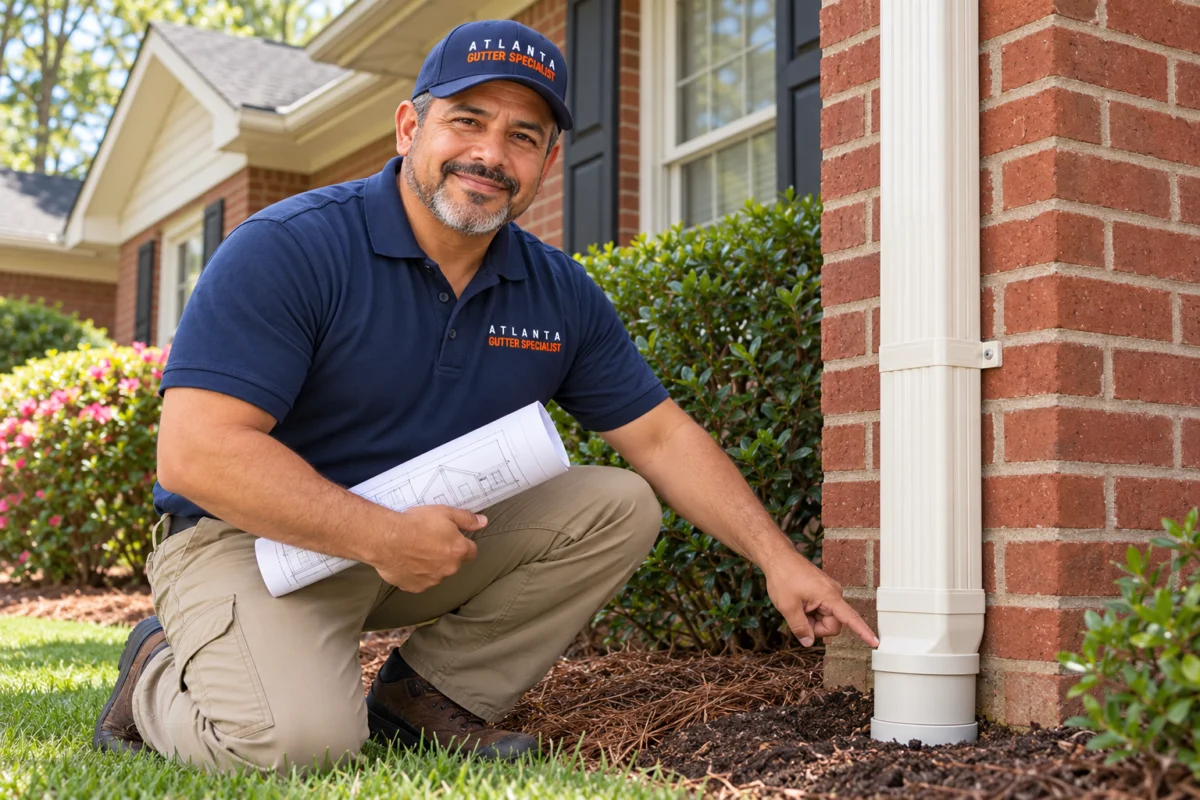
What happens after water leaves the downspout is just as important as how it flows through the gutter. Downspouts should discharge water at least five feet from the foundation to prevent basement leaks and soil erosion. Many homes in Atlanta have clay soil, which expands when wet and can push against foundation walls. Keeping water away from the foundation helps reduce that pressure.
Options for routing water include underground drain pipes, splash blocks, or downspout extensions that carry water to a low point in the yard. If you have a sump pump or a drainage system already in place, make sure the new gutters connect to it properly. Some neighborhoods have specific rules about where water can be directed, so it pays to check local codes before starting the work.
When to Replace Your Gutters
Gutters do not last forever. Signs that it might be time for a replacement include visible cracks, rust spots, sagging sections, or water stains on the fascia board. If you notice water pooling around the foundation after a rain, the gutters may be clogged or not draining properly. In some cases, repairs can extend the life of an older system, but if the damage is widespread, a full replacement may be more cost-effective in the long run.
Replacement timing also depends on the material. Aluminum gutters typically last twenty to thirty years, while copper can last fifty years or more. Vinyl gutters may only last ten to fifteen years before they start to crack or warp. If your current system is nearing the end of its expected lifespan, it is worth planning a replacement before a major storm causes problems.
The Role of Professional Installation
While some homeowners tackle gutter installation themselves, there are several reasons to consider hiring a professional. Getting the slope right, sealing joints properly, and ensuring that downspouts are placed for optimal drainage all require experience. A poorly installed gutter system can cause more damage than no gutters at all, because water that is not directed away from the house will find its own way in. When you work with a qualified Atlanta gutter installation service, you benefit from their knowledge of local building codes, typical weather patterns, and the best practices for water routing in your area.
Professional installers also have access to better materials and tools. Seamless gutters, for example, require a forming machine that most homeowners do not own. By hiring someone who specializes in gutter work, you also save time and reduce the risk of accidents from working on a ladder.
Practical Steps for Homeowners
Before you schedule an installation, there are a few things you can do to prepare. Clear any debris from the roof and fascia board so the installers have a clean work area. Check your attic or crawl space for signs of water damage that might indicate a problem with the existing system. If you have a gutter guard or leaf screen system, discuss with the installer whether it makes sense to add that during the installation. Gutter guards can reduce the need for cleaning, but they also add cost and can make it harder to inspect the gutters.

Ask the installer about the warranty on both materials and labor. A good warranty gives you peace of mind if something goes wrong after the job is done. Also, get a clear estimate in writing that outlines the work to be done, the materials to be used, and the timeline. This helps avoid misunderstandings later.
Final Thoughts
Installing new gutters is a practical investment in your home's long-term health. By planning ahead, choosing the right materials, and making sure the water routing is handled correctly, you can avoid expensive repairs and keep your foundation dry. Whether you are building a new home or upgrading an older system, taking the time to understand the basics will help you make informed decisions. A well-installed gutter system is one of those things you rarely think about once it is in place, because it simply works.